

**This research was first published in the July 8, 2026 edition of the Chatham Star-Tribune newspaper as part of Kyle Griffith’s weekly segment entitled “Heritage Highlights.”
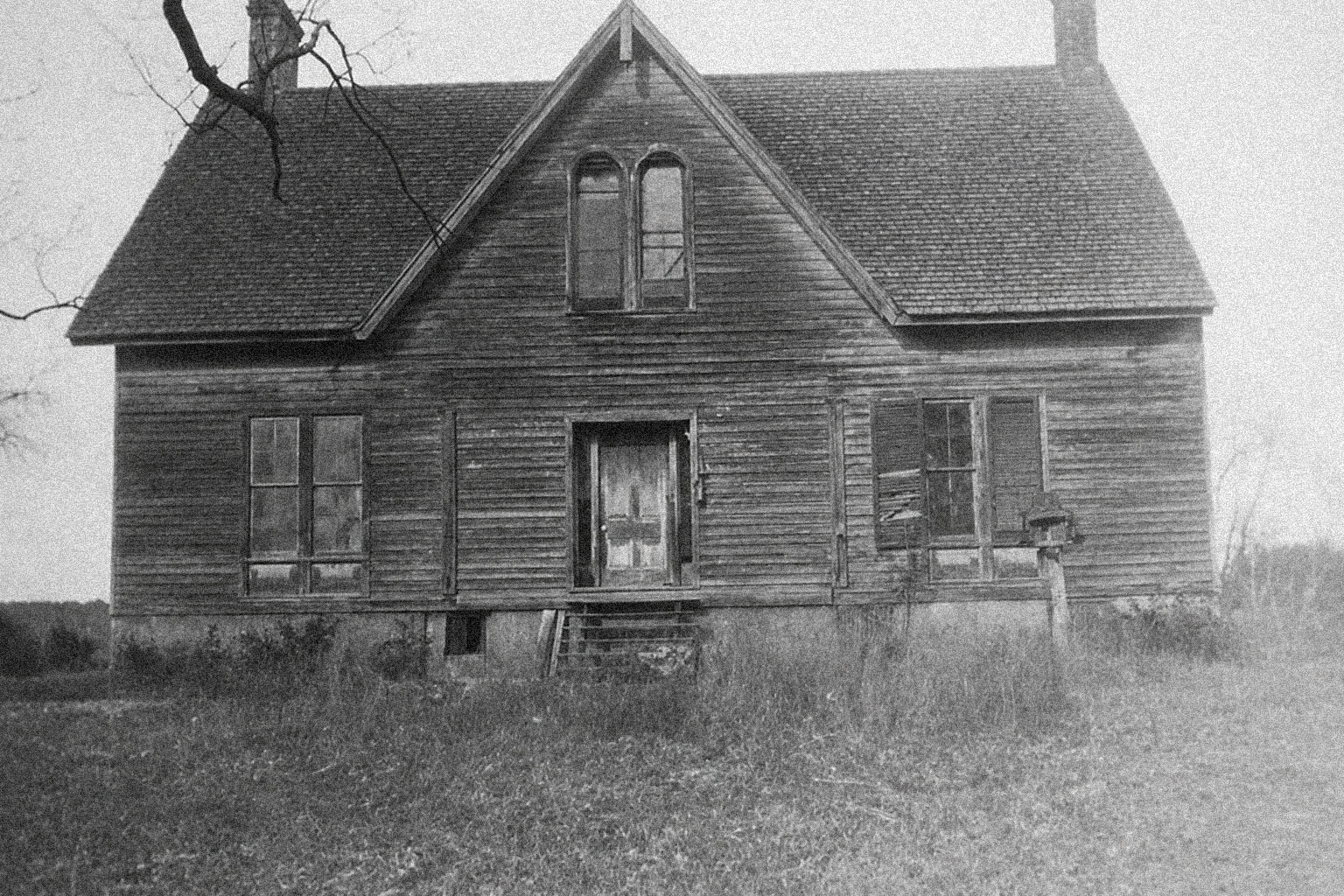
Old Home of Col. David Hunt in 1936, photo courtesy of the Virginia Historical Inventory
In 1936, as part of the Virginia Historical Inventory (WPA Project), Miss Lona Dalton of the Sycamore community paid a visit to the old ancestral home of the Hunt family and documented some of its history. In modern terms, the building stood northeast of Gretna near the present-day community of Glenland, off of Renan Road. Col. David Hunt (born around 1745), originally of Charlotte County, was the property’s original owner and had quite a significant link to Chatham’s early history. In 1782 Hunt was paid to construct a new courthouse on the site where the current Chatham Town Hall now stands. Historian Maud Carter Clement described the former court as “a brick structure with tall white columns in front” for which he was paid four thousand pounds of tobacco.
Pittsylvania County deed books record that David Hunt purchased land near Little Straightstone Creek in 1772. Sometime afterward, he had a small frame home constructed. As of Miss Dalton’s visit, she noted that the house had ten windows, each 12 by 18 inches. There was one door on the front and three on the back, each held on by H&L hinges. The home had two interior end chimneys, with a small balcony under a window of the side wall. Upon entering the home, she described “a large hall” with an “unusually large” parlor room to the right. “To the left are two bedrooms, and also a small room, once a sun parlor.” She walked through the parlor to a kitchen space originally used as a bedroom. Upstairs, there was a “large hall, three bedrooms, and an attic.” By then, the porches had become dilapidated and had already been removed. In the brick-walled cellar were “four rooms and a fireplace originally used for cooking, but not in use today. Two chimneys brace the house and each chimney furnishes a fireplace for two rooms on the same floor…” The bricks were laid in Flemish bond, one of the strongest and most labor-intensive brick patterns used during the period. Nearly ninety years following her visit, only the Hunt family cemetery remains and a newer house has been built on the site.
Thankfully, photographs of the front and side of the David Hunt house were included in the documentation. The house, while simple in form, retains several intriguing features. Most noticeably, two narrow arched windows were paired and centered within the gable above the front door. The 1930s survey indicated there were no changes to the house, but it seems likely that the arched windows (which also existed on the side wall) were later additions inspired by Gothic Revival during the mid-1800s. Another revealing feature is the downward-pointing ornament above the arched windows, which is reminiscent of a Victorian-era gable pendant. Evidence of an old porch is seen by two remaining vertical boards on the exterior wall. An old dinner bell was mounted on a post in front of the home, near the window on the right side. During the time of Miss Dalton’s visit, the house’s occupant, Mr. J.E. Walker had lived in the home since 1897 when he purchased it from Mary Alice Hunt, a great-granddaughter of the original owners.
David and Nancy Hunt had a long list of grandchildren and great-grandchildren during their later years. Many of them grew up to become well-known citizens and merchants of the county. Their granddaughter Sarah W. Hunt married a son of Col. Daniel Coleman, one of the early county administrators. Nancy R. Hunt (born 1809) married Jeremiah White Graves of the Mt. Airy community, who kept a journal for many decades of his life. Another granddaughter, Lucy A. Hunt (born 1819), married Charles J. Clement, through whom the Clement Hill property passed down to their son-in-law Maj. John L. Hurt. A final granddaughter to note, Ruth T. Hunt (born 1825), married Jesse Hamlin Hargrave. Their son John Hunt Hargrave established Chatham Training School in 1909, which was later renamed Hargrave Military Academy. Their family history has been intertwined with the town’s history since its earliest years and continues into the present day.